
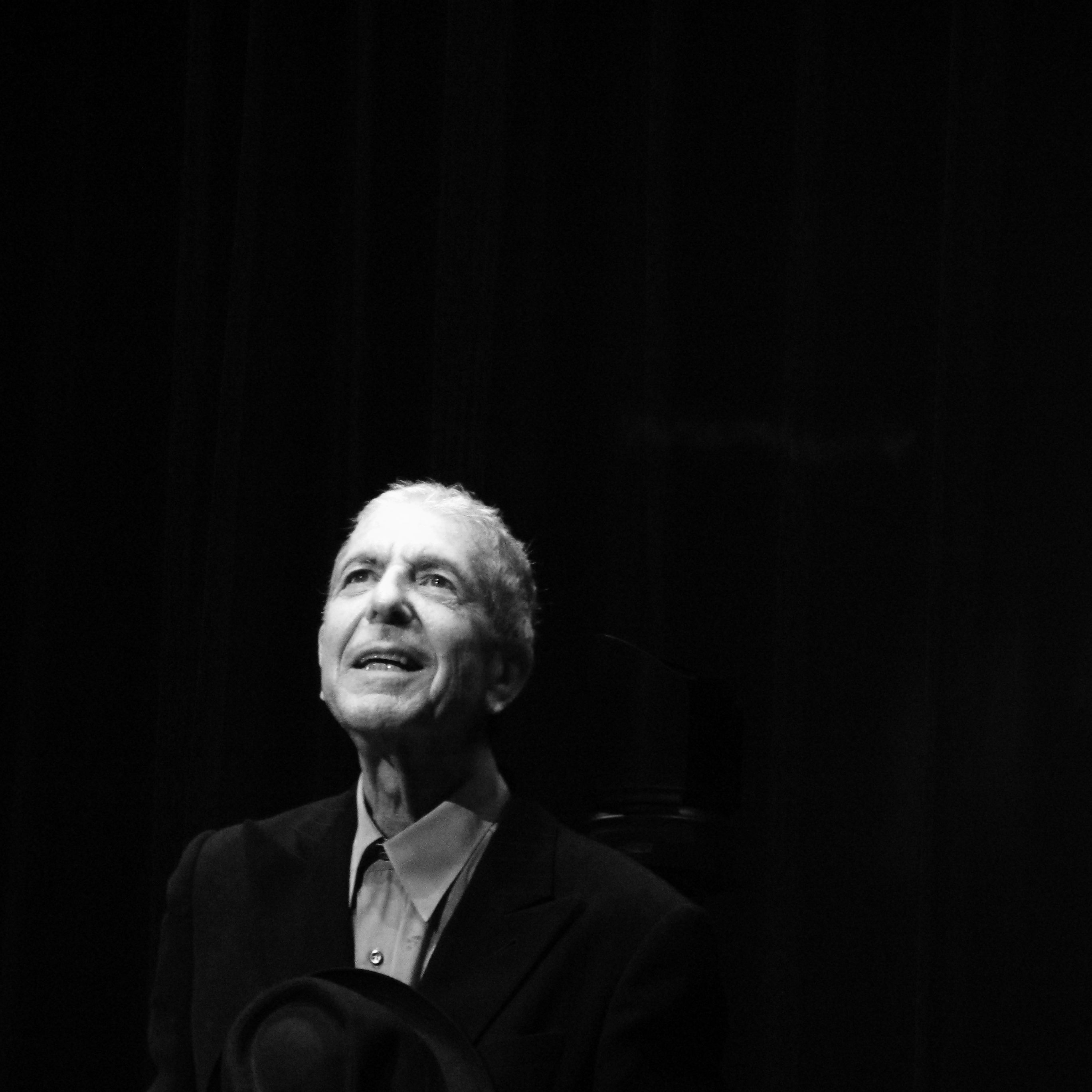
This is the first installment in a series of pieces analyzing and critiquing individual works of art, whether music, literature, or fine art. The name of the series is “Analysis & Critique”.
I love art. I love art because it is an incarnation of our souls’ conflicts, victories and yearnings. To be honest in one’s art is to express your vulnerabilities for the sake of connecting to the vulnerabilities of others. Leonard Cohen’s song “Treaty” is an excellent example of art opening the window to the soul so that we might watch one man’s story unfold and find ourselves in it.
I first heard “Treaty” about a year after its release. In fact, my only previous engagement with Leonard Cohen was his timeless masterpiece “Hallelujah”. When I heard “Treaty”, my first reaction was one of profoundly serene sadness.
Perhaps due to the minimal melody or Cohen’s gruff voice ruggedly speak-singing the lyrics, I still cannot shake a melancholy chord of tragedy from accompanying the piano and strings track. But the words that Cohen croons crackly are the truly sorrowful elements in this song.
Cohen starts off the piece with the lines: “I’ve seen you change the water into wine, I’ve seen you change it back to water too.” By the end of the first verse he has concluded that he doesn’t “get high with you”. (The subject of Cohen’s thoughts has provided some fresh grounds for debate. Is this addressed to a human lover? God? An inanimate element? Due to the religious symbolism in the first verse and the same symbolism in the preceding track “You Want It Darker”, my personal, unprofessional, amateur opinion is that God is the subject of this piece.)
Right off the bat we are confronted with the picture of a man who has become embittered by his perception of a distant and unfaithful God. But the most moving part of the song in my opinion is the chorus. I’ll quote it in its entirety below.
“I wish there was a treaty we could sign
I do not care who takes this bloody hill
I’m angry and I’m tired all the time
I wish there was a treaty
I wish there was a treaty
Between your love and mine”
This despondent poetry peels back the curtain and reveals the heart of a man who has wrestled, even fought, with God all his life and has finally reached a point, not of hate, but of despairing indifference. To nod to Inception, Cohen has become an “old man, filled with regret, waiting to die alone”. It is a heartbreaking picture, one of an exhausted lieutenant slumping back in hopelessness on the slopes of a fiery, bloody hill. He has lost all interest and purpose in pursuing the summit. For an officer to give up completely in his objective is to experience a man whose will is completely broken. The tragedy of “Treaty” is catching a glimpse of the soul of a man whose closure in life consists of signing a ceasefire with his Creator.
This is art. This is the incarnation of the conflicts, victories and yearnings of one soul and I, for one, can hear the echoes of his notes in my own life. “Treaty” is a song that touches the listener deeply and leaves one sitting in silent contemplation as the track crackles to a moody silence.